
Sub-Total: $0.00
LED Face Masks: Why Most Don’t Work (And the Few That Actually Do)
Last Update 08/12/2026
Table of Contents
LED face masks are everywhere right now—glowing, futuristic, and promising smoother skin, fewer wrinkles, and a radiant glow.
Quick Answer
Most at-home LED masks fail on power rather than concept. A useful device publishes exact wavelengths in nanometers and an irradiance of at least 30 mW/cm². Expect visible change in 8 to 12 weeks of consistent use, with professional panels working faster because they run hotter.
They look impressive.
They sound scientific.
And some of them… actually work.
But here’s the truth most people don’t realize:
Many LED masks on the market are little more than very expensive mood lighting for your face.
Let’s break down how to tell the difference—so you don’t waste your money (or your skin).
What Is LED Light Therapy for Skin?
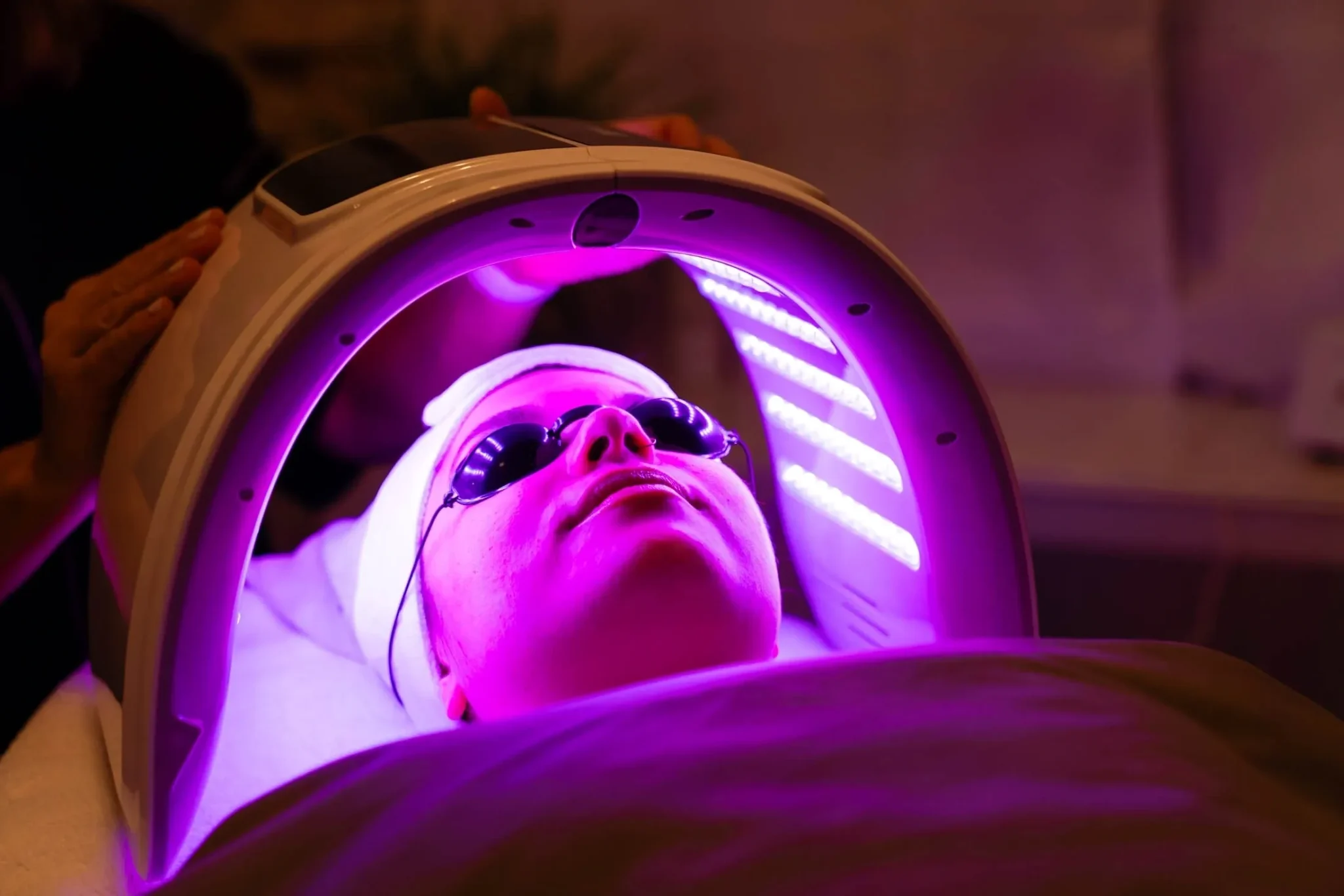
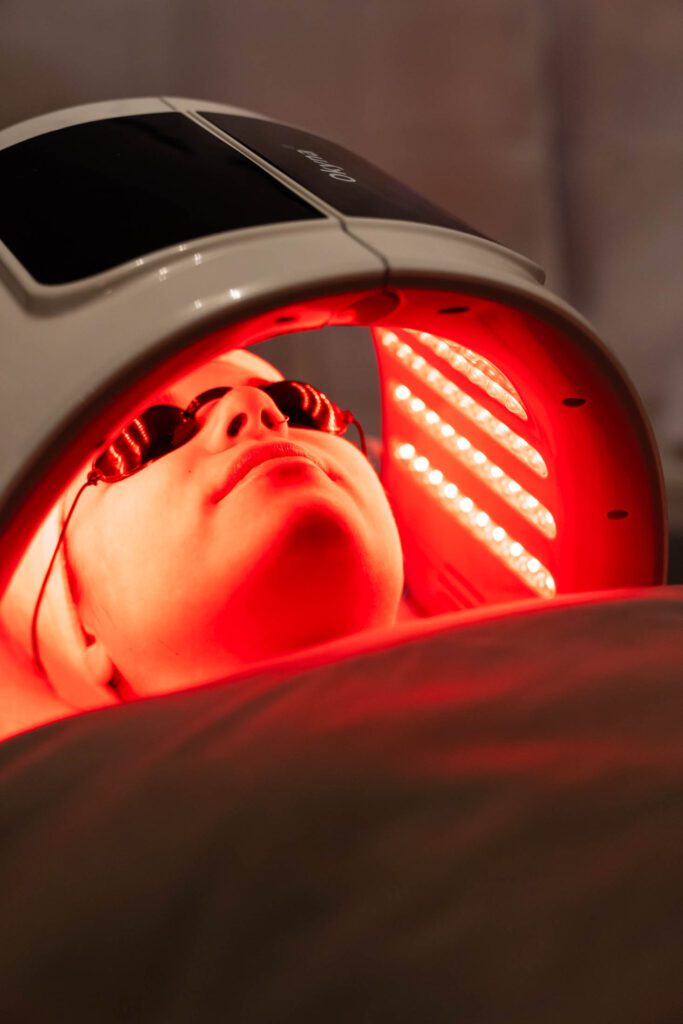
LED (light-emitting diode) therapy uses specific wavelengths of light to trigger biological processes in the skin.
When done correctly, LED light therapy can:
- Stimulate collagen production
- Reduce inflammation
- Help clear acne-causing bacteria
- Support overall skin healing
It’s completely non-invasive and can be incredibly effective—when the device is designed properly.
Do LED Face Masks Actually Work?
Yes… but only the right ones.
Here’s the honest, professional answer:
At-home LED masks can improve the skin over time, but they are typically:
- Lower in strength than professional devices
- Slower to produce visible results
- Best used for maintenance—not transformation
So if you’ve tried one and didn’t see results, it doesn’t mean LED therapy doesn’t work…
👉 It likely means the device wasn’t strong enough.
What to Look for in an LED Face Mask
If you’re considering investing in a mask, here’s what actually matters:
1. Real Wavelengths (Not Just “Colors”)
Look for devices that list exact wavelengths in nanometers (nm):
- Red light: 630–660 nm (supports collagen and anti-aging)
- Blue light: ~415 nm (targets acne bacteria)
- Near infrared: 800–850 nm (deeper repair and healing)
If a mask only says “red light” or “7 colors” without specifics, that’s a red flag.
2. Enough Power to Be Effective
This is where most devices fall short.
LED masks need sufficient energy output (irradiance) to actually stimulate the skin. Many lower-cost devices simply don’t deliver enough power to create real change.
3. Proper LED Coverage
More LEDs = better coverage.
A mask with evenly distributed lights will deliver more consistent results than one with sparse or uneven placement.
4. Close Fit to the Skin
The closer the light is to your skin, the more effective it is.
Flexible, contour-fitting masks tend to outperform rigid designs that sit farther away from the face.
5. FDA Clearance
Look for devices that are FDA-cleared, not just “FDA-approved materials.”
This indicates the device has been evaluated for safety and intended use.
Why Most LED Masks Don’t Deliver Results
Many popular masks focus more on marketing than performance.
Common issues include:
- Weak light output
- Missing or incorrect wavelengths
- Too many “colors” with little clinical value
- Poor fit and coverage
So while they may look impressive, they often don’t deliver meaningful results.
Professional vs. At-Home LED Treatments
At-home LED masks can be a great addition to your routine—but they don’t replace professional treatments.
In a clinical setting, devices are:
- Higher powered
- More targeted
- Used as part of a customized treatment plan
This leads to faster, more noticeable results.
The Real Secret to Better Skin
LED therapy works best when it’s part of a bigger picture:
- Professional treatments
- Medical-grade skincare
- Consistency and proper guidance
Because even the best device can only do so much without the right foundation.
A Little Truth from the Treatment Room…
I see it all the time—clients invest in skincare devices expecting dramatic results, only to feel disappointed.
Not because LED therapy doesn’t work…
But because they weren’t given the right information before buying.
And that’s exactly why I share this with you.
If You’re Thinking About LED…
Before you invest—or if you already have a device and aren’t seeing results—it may be time to take a more personalized approach.
At Bella Nuova Day Spa in Bend, Oregon, treatments are designed to deliver real, visible results using advanced, non-invasive techniques tailored to your skin.
✨ Ready for Skin That Actually Responds?
If you’ve been investing in skincare without seeing the results you expected, let’s change that.
Book a personalized facial and experience what professional, results-driven skincare can do.
👉 Follow us for expert skincare tips
👉 Share this with someone considering an LED mask
👉 Have questions? Leave a comment—we’re here to help
The clearance claim is the one specification worth verifying yourself. The FDA explains what a 510(k) premarket notification involves, and why “FDA registered” is not the same thing.
Frequently Asked Questions
Do LED face masks actually work?
LED face masks work when the device delivers clinically useful wavelengths at enough power, and many consumer models do neither. The underlying light therapy is well established, so the question is almost always the hardware rather than the concept. Masks with few LEDs, uneven spacing, or unpublished power figures tend to disappoint. Check the specification sheet before the marketing copy, because the two often describe different products.
How often should you use an LED face mask?
Most at-home LED face masks are designed for use three to five times a week in sessions of roughly 10 to 20 minutes, following the manufacturer’s guidance. Using one daily does not speed up results, since the skin can only respond to so much light in a given period. Consistency across several weeks matters far more than session length. Skipping weeks at a time is the most common reason people see nothing.
Are professional LED treatments better than at-home masks?
Professional LED treatments outperform at-home masks mainly because clinic panels run at higher irradiance and cover more of the face evenly. At-home devices are built for maintenance between appointments rather than for correction on their own. That is why home users typically wait 8 to 12 weeks for visible change. Many people get the best outcome by combining professional sessions with a decent mask at home.
Are LED face masks safe for all skin types?
LED face masks are safe for most skin types, since the light produces no ultraviolet radiation and does not heat or damage the surface. Caution applies if you take photosensitizing medication, have a seizure disorder triggered by flashing light, or are treating active melasma. Eye protection should always be used. Check with your provider first if you use prescription retinoids or acne medication.
Tags: skincare tips